Planning a visit to the Ulrico Hoepli Planetarium in Milan? This historic planetarium inside the Indro Montanelli Gardens offers one-hour shows under a 20-metre dome, with programs ranging from guided sky observations to themed talks, music events, and family-friendly sessions. Easy to reach from Palestro or Porta Venezia, affordable, and ideal to pair with the Natural History Museum or the Castle’s Rooftop Panoramic Walk, it is one of the most distinctive and underrated cultural experiences in Milan.
There are places in Milan that everyone knows, and then there are places that still feel like a well-kept secret. The Milan planetarium belongs firmly to the second category. Elegant, intelligent, and unexpectedly moving, it offers something rare in a city often associated with fashion, business, and fast rhythms: one hour of looking up, slowing down, and seeing the universe with fresh eyes. The Ulrico Hoepli Planetarium is not a gimmicky attraction. It is a historic civic institution, set inside the Indro Montanelli Gardens, and it remains one of the most distinctive cultural experiences in the city.
Why the Milan planetarium is worth your time
The first reason to visit the Milan planetarium is its character. This is not a flashy new multimedia box. It is a place with history. The planetarium was donated to the city by publisher Ulrico Hoepli in 1929, designed in neoclassical style by Piero Portaluppi, and opened to the public on 20 May 1930. According to its official history, it is the oldest and largest planetarium in Italy. That already makes it special. Add the location, inside one of Milan’s most pleasant historic parks, and the visit starts to feel less like a tourist stop and more like a cultured urban ritual.
There is also a second reason, and it is more emotional than historical. A good planetarium show changes the scale of your day. You walk in thinking about dinner reservations, museum timings, perhaps your inbox. Then the lights dim, the dome comes alive, and suddenly you are thinking in constellations, seasons, planets, and cosmic distance. In a city that can feel intensely terrestrial, that shift is part of the magic. The official program is built around public talks, guided sky observations, themed lectures, special events, music-related evenings, and family shows, so the experience is broader than many visitors expect.
|
|
|
Don't miss out on Milan's ultimate secret!
|
| |
|
| |
Experience the jaw-dropping Castle’s Rooftop Panoramic Walk where history and stunning views collide.
Witness Sforza Castle and the dazzling cityscape like never before. This is your once-in-a-lifetime adventure.
|
| |
|
|
|
|
|
|
What to expect at the Milan planetarium
A practical point first: the Milan planetarium is not mainly about wandering through galleries. It is about attending a scheduled show under the dome. Inside, the main hall is circular, around 20 metres in diameter, roughly 12 metres high, and seats 375 people between chairs and perimeter benches. At the centre stands the famous Zeiss IV projector, in service since 1968, an opto-mechanical “star machine” that recreates the visible night sky. That detail matters, because it gives the whole experience an analogue grandeur that feels wonderfully different from ordinary screen-based entertainment.
Shows typically last about an hour. The current and recent calendars show a lively mix: guided sky sessions such as Il Cielo del Mese and Una notte sotto le stelle, themed talks, special programs, and even music-focused events such as Un pianoforte tra le stelle. In other words, this is not a one-format venue. You can go for a classic introduction to the sky, or choose something more specific and intellectually playful.
That live-presented dimension is exactly why the Ulrico Hoepli Planetarium works so well for culturally curious travellers. It feels local. It feels crafted. And it feels like an experience, not just an attraction to tick off. Milan does many things brilliantly, but intimate scientific storytelling under a dome is not always the first thing people associate with the city. That is why it leaves such a strong impression.
How to choose the right Milan planetarium show
If this is your first visit to the Milan planetarium, go for a sky-oriented show rather than a highly specialized lecture. A title like Il Cielo del Mese or Una notte sotto le stelle is usually the smartest entry point, because it gives you the classic planetarium pleasure: learning how to read the sky, recognize seasonal constellations, and understand what you are actually looking at above Milan. For first-time visitors, that tends to be more memorable than starting with a niche scientific theme.
If, on the other hand, you already enjoy astronomy, or simply love unusual cultural programming, then the more themed events are where the venue becomes especially charming. Recent schedules include topics ranging from astronomy and philosophy to film, stellar evolution, black holes, and music under the dome. My advice is simple: do not just book the next available slot. Read the title and choose the tone you want for your evening. Introductory, reflective, playful, or more advanced: the program genuinely varies.
For adults travelling without children, an early evening or night session is often the most atmospheric choice. Family shows are clearly part of the program too, and the venue notes that children’s shows last around an hour, take place in the dark, and are generally recommended from age six upward. That is useful to know if you are visiting Milan as a multigenerational group.
Milan planetarium practical tips that make a difference
Here is where the visit becomes easy. The Milan planetarium is at Corso Venezia 57, inside the Indro Montanelli Gardens. The nearest Metro stops are Palestro and Porta Venezia on the red M1 line. That central location makes it simple to combine with other cultural stops in the area.
 As of the current 2026 program and booking pages, standard admission is €5, reduced admission is €3, and tickets can be bought online in advance or at the box office if still available. Online presales add a booking fee. Just as important: once the show starts, entry is no longer allowed. That rule alone is enough reason to arrive early. Personally, I would treat this like theatre rather than like a casual museum drop-in and aim to be there at least 20 minutes before showtime. That last point is my recommendation, but it follows directly from the no-late-entry rule.
Inside the building, you will find the ticket area and an astronomy bookshop in the entrance hall. Food and drink are not allowed inside apart from water, but the gardens outside are an excellent buffer zone before or after the show, and there are kiosks in the park. That means you can build a very civilized little sequence around the visit: a walk, a coffee, a show, and then dinner.
One more good tip: the Museo Civico di Storia Naturale is right next door at Corso Venezia 55, also in the gardens. If you enjoy science, natural history, or travelling with curious teenagers, pairing the two works beautifully. It turns a single ticketed event into a half-day cultural thread.
How to make the most of your Milan planetarium visit
The best way to enjoy the Milan planetarium is not to isolate it. Fold it into a wider Milan day. Start in the Porta Venezia area, spend time in the gardens, perhaps visit the Natural History Museum, and let the planetarium become the reflective centrepiece of the afternoon or evening. This is the kind of visit that rewards a little rhythm. Rushing in from one district and rushing out again would miss the point.
And now for the part many visitors miss entirely.
|
|
|
Don't miss out on Milan's ultimate secret!
|
| |
|
| |
Experience the jaw-dropping Castle’s Rooftop Panoramic Walk where history and stunning views collide.
Witness Sforza Castle and the dazzling cityscape like never before. This is your once-in-a-lifetime adventure.
|
| |
|
|
|
|
|
|
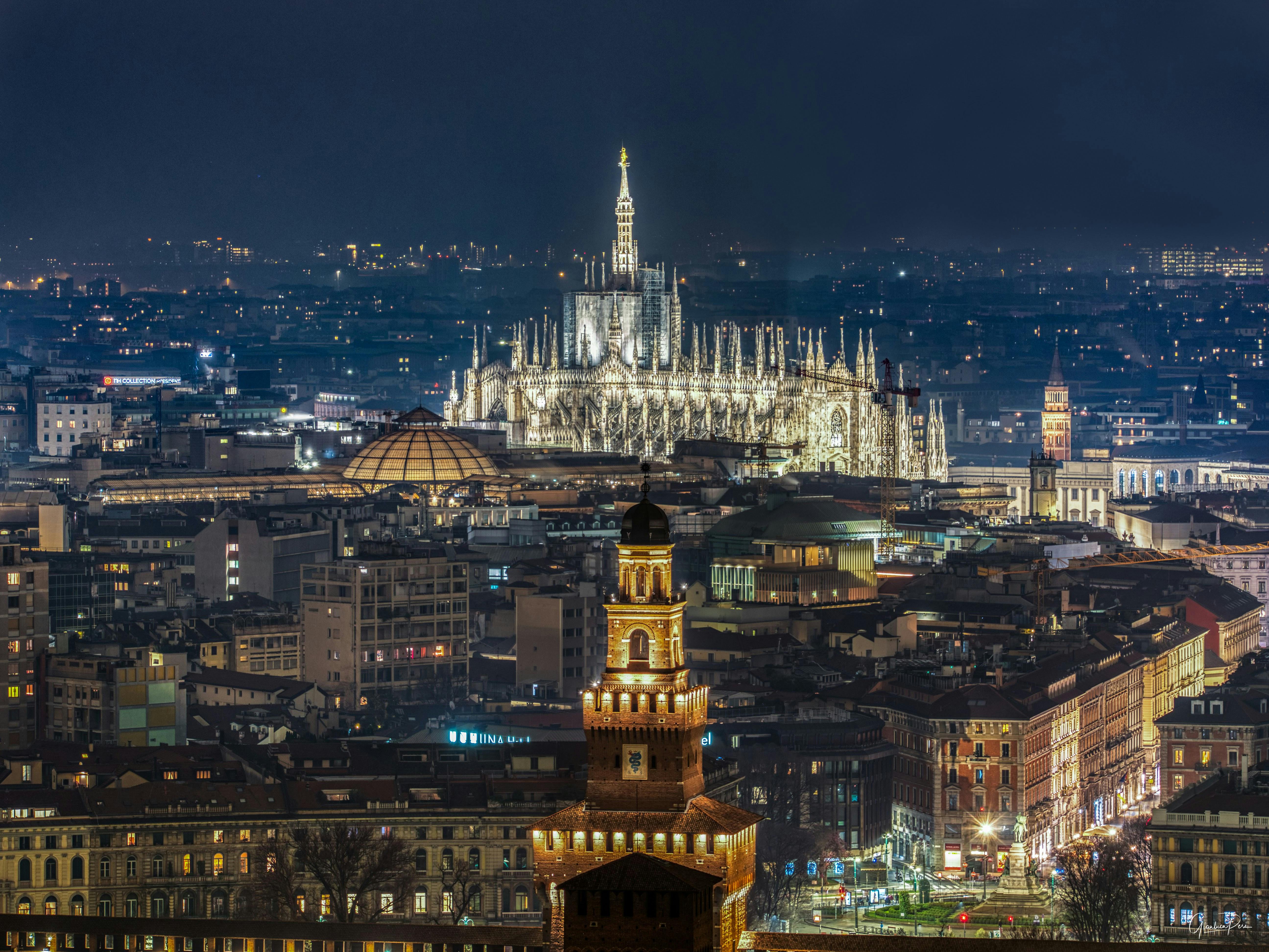
After you have looked up at the stars, go and look out over Milan from above. One of the city’s most underrated experiences is the Castle’s Rooftop Panoramic Walk at Sforza Castle. From there, the path runs along three sides of the Rocchetta and opens up rare views of Milan’s skyline and the castle’s defensive structure. It is also designed with accessibility in mind, with a dedicated elevator and room for strollers.
That pairing is the real insider move: first the sky interpreted through science, then the city interpreted through height, stone, and perspective. In a place like Milan, where so much attention goes to the obvious monuments, this combination feels refined and delightfully off-script. It also gives you something increasingly valuable in travel: a story that not everyone else has.
Final thought: why the Milan planetarium stays with you
The Ulrico Hoepli Planetarium is not Milan at its loudest. It is Milan at its most intelligent and quietly memorable. Historic without being dusty, educational without being dry, and practical enough to fit neatly into a cultured city itinerary, it offers exactly the sort of experience seasoned travellers tend to appreciate most: distinctive, beautifully located, and still slightly under the radar. For anyone building a richer list of things to do in the city, the Milan planetarium deserves a very real place on it.
FAQs
What is the Ulrico Hoepli Planetarium?
The Ulrico Hoepli Planetarium is Milan’s historic civic planetarium, located inside the Indro Montanelli Gardens. It is known for its neoclassical architecture, live-presented astronomy shows, and its central Zeiss IV projector, which recreates the night sky under the dome.
Why is the Milan planetarium worth visiting?
The Milan planetarium is worth visiting because it combines history, science, and atmosphere in a way that feels both cultured and memorable. It offers a slower, more reflective experience than many typical city attractions and is especially appealing for travellers interested in astronomy, architecture, and unusual cultural venues.
Where is the Ulrico Hoepli Planetarium located?
The Ulrico Hoepli Planetarium is at Corso Venezia 57, Milan, inside the Indro Montanelli Gardens. Its location makes it easy to include in a day exploring Porta Venezia and nearby museums.
How do you get to the Milan planetarium?
The easiest way to reach the Milan planetarium is by Metro. The nearest stops are Palestro and Porta Venezia on the M1 red line. From there, the planetarium is a short walk through or alongside the gardens.
What kind of shows can you see at the Milan planetarium?
Shows at the Milan planetarium include guided sky sessions, public astronomy talks, themed lectures, special events, music-related evenings, and family programs. Some shows focus on constellations and the seasonal sky, while others explore topics such as black holes, stellar evolution, or astronomy and culture.
Which Milan planetarium show is best for first-time visitors?
For first-time visitors, a sky-oriented show such as Il Cielo del Mese or Una notte sotto le stelle is usually the best choice. These programs offer the classic planetarium experience and help visitors understand constellations, seasons, and the visible sky above Milan.
How long does a planetarium show last?
A typical show at the Ulrico Hoepli Planetarium lasts about one hour. That makes it easy to include in a wider cultural itinerary without needing to plan an entire day around it.
How much do tickets cost for the Milan planetarium?
According to the current 2026 program referenced in the article, standard admission is €5 and reduced admission is €3. Tickets can usually be purchased online in advance or at the box office if seats are still available.
Should you book Milan planetarium tickets in advance?
Yes, booking in advance is a smart idea, especially for popular evening shows or special events. Online booking can help secure a seat, while last-minute availability at the box office may be limited.
Can you enter the Milan planetarium after the show starts?
No. Once the show begins, late entry is not allowed. It is best to arrive early and treat the visit more like a theatre performance than a casual museum stop.
Is the Ulrico Hoepli Planetarium good for children?
Yes, the planetarium offers family-friendly programming. Children’s shows are generally recommended for ages six and up, partly because they take place in the dark and last around an hour.
What is inside the Ulrico Hoepli Planetarium building?
Inside the planetarium, visitors will find the circular main hall with seating under the dome, the historic Zeiss IV projector, the ticket area, and an astronomy bookshop in the entrance hall.
Can you combine the Milan planetarium with other nearby attractions?
Yes, very easily. The Museo Civico di Storia Naturale is next door, making it a natural pairing for anyone interested in science or visiting with curious teenagers. The surrounding gardens also make the area pleasant for a walk before or after the show.
What is the best way to make the most of a visit to the Milan planetarium?
The best way to enjoy the Milan planetarium is to build it into a wider Milan itinerary. A walk in the Indro Montanelli Gardens, a visit to the Natural History Museum, and an evening show under the dome create a balanced cultural experience.
What can you pair with the Milan planetarium for a more original Milan experience?
A particularly refined combination is to visit the Ulrico Hoepli Planetarium and then experience the Castle’s Rooftop Panoramic Walk at Sforza Castle. Together, they offer two different perspectives on Milan: first the sky, then the city from above.
Insights
Astronomy in Milan: The Ultimate Guide to Planetariums, Observatories & Cosmic Experiences
Brera Astronomical Observatory: Milan’s Historic Window to the Stars
Inside the Leonardo da Vinci Museum: The Space Section You Shouldn’t Miss